

Table of Contents
Introduction
You know that moment at checkout when the cashier asks for “the three numbers on the back”? Or when you’re shopping online and that little box pops up asking for your security code? Those numbers might seem small and insignificant, but they’re actually one of your best defenses against credit card fraud. That tiny code—whether it’s called CVV, CVC, or CID—is working behind the scenes to verify that you actually have your card in hand.
Here’s the thing about credit card security codes: they’re not just random numbers. They’re a smart verification system that makes it much harder for thieves to use your card information. Think about it—even if someone gets hold of your card number and expiration date, they’d still need that security code to complete most transactions. It’s like having a second lock on your door. Sure, someone might pick the first one, but that second layer of protection? That’s what stops most criminals in their tracks.
You probably have questions about these codes. What’s the difference between CVV, CVC, and CID anyway? How exactly do they protect you when shopping online? And what should you do to keep that information safe? The reality is that these security codes significantly reduce fraudulent transactions by making it nearly impossible for someone to use your card without physically having it. But smart credit card use goes beyond just understanding these codes—it includes knowing how to use credit cards responsibly to avoid interest charges and maximize your card’s benefits.
Now, credit card security isn’t just about those numbers on your card. There’s a whole world of digital threats out there—phishing emails, data breaches, and sophisticated scams designed to steal your information. The good news? You can protect yourself. Learning about threats like phishing attacks through resources such as how to prevent phishing scams and understanding how to prevent data breaches gives you the cybersecurity knowledge that perfectly complements using your security codes effectively.
What You’ll Learn in This Guide
We’re going to cover everything you need to know about credit card security codes—from the basics to the advanced protection strategies that keep your money safe.
- Understanding Security Codes: Learn what CVV, CVC, and CID codes are, where they appear on your card, and how each type works in different card networks to enhance security.
- Importance of Security Codes: Explore how these codes help reduce fraud, protect your identity, and support secure online and in-person shopping experiences.
- Safe Usage Tips: Discover how to locate your security code, use it safely without exposing your information, and practices to avoid fraudulent situations.
- Handling Security Concerns: Understand common risks such as phishing and skimming, plus prevention strategies to keep your card information safe and what to do if suspicious activity occurs.
Beyond the basics, we’ll share practical advice for those moments when something feels off. Maybe you notice a charge you don’t recognize, or perhaps you’ve fallen victim to a scam despite your best efforts. Knowing how to dispute credit card charges can save you significant money and stress. We’ll also touch on smart credit management—like how to avoid credit card interest charges and understanding different credit card perks—because financial security goes hand in hand with financial wisdom. Plus, staying current on credit card scams and prevention tactics will give you confidence every time you swipe or tap.
Whether you’re someone who shops online daily, prefers in-person transactions, or you’re just trying to get smarter about your finances, this information will help you protect what matters most—your money and your peace of mind. We’re not just explaining what these codes are; we’re showing you how they fit into a broader strategy for safe, smart credit card use.
Ready to dive in? First, we’ll break down the different types of security codes and explain exactly how they work to protect your transactions. Then we’ll get practical—showing you step-by-step how to use these codes safely every single time you make a purchase. By the time you’re done reading, you’ll have the knowledge and confidence to navigate credit card security like a pro.
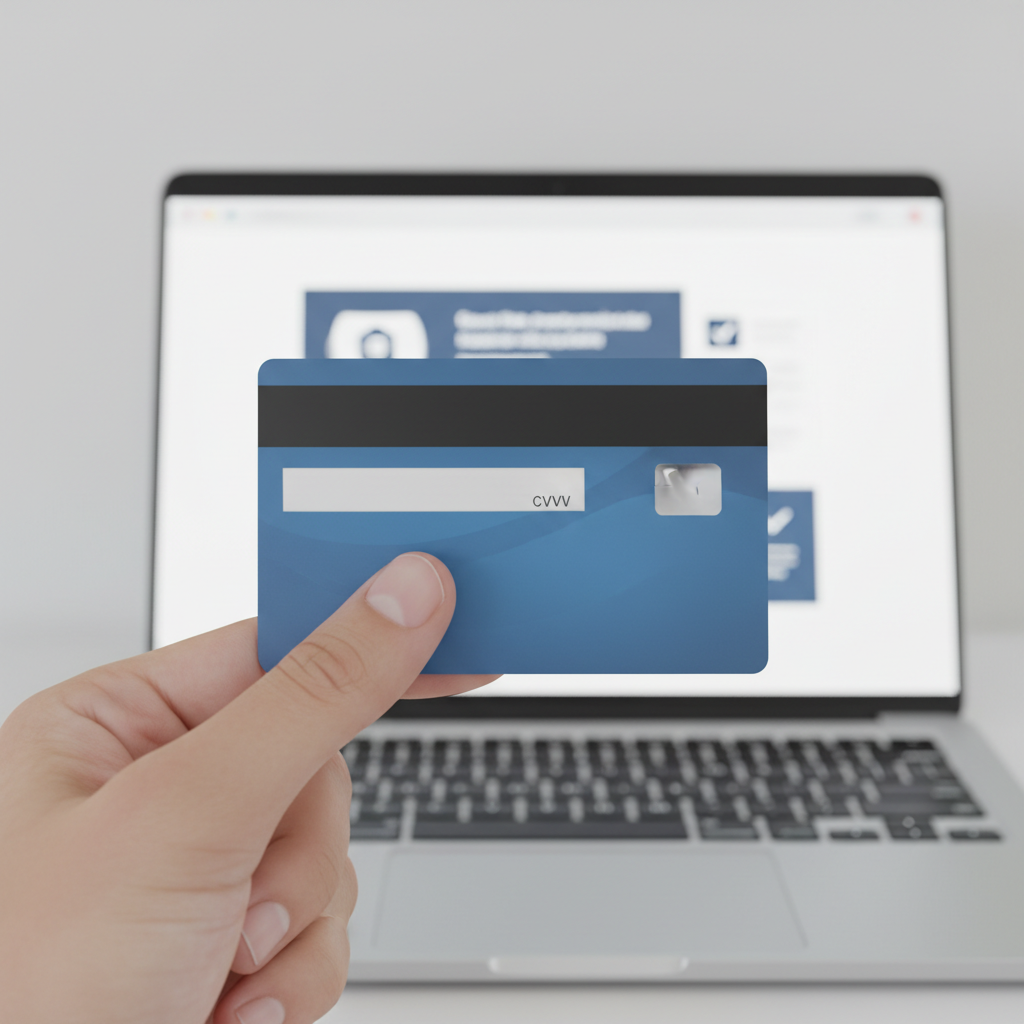
Let’s talk about those little numbers on your credit card—you know, the ones that websites always ask for but you’re never quite sure why they matter so much. Those are your credit card security codes, and they’re actually doing some pretty heavy lifting when it comes to protecting your money. Think of them as your card’s secret handshake with the merchant. They prove you’ve got the real deal in your hands, not just some stolen numbers floating around the internet. We’re going to walk through everything you need to know about these codes—what they are, where to find them, and how to use them without accidentally handing over the keys to your bank account.
Understanding Credit Card Security Codes and Their Significance
Here’s the deal with credit card security codes: they go by different names depending on who issued your card, but they’re all doing the same job. You might see them called CVV, CVC, or CID—don’t worry, it’s not as complicated as it sounds. These are just unique sets of numbers that act like a second layer of protection when you’re making purchases. The brilliant thing about them? They help prove you actually have the physical card in your possession, which makes life a lot harder for fraudsters trying to use stolen card info. This is especially important when you’re shopping online or over the phone, where you can’t physically swipe or insert your card. And here’s a fun fact: that three-digit code on most cards versus the four-digit one on American Express isn’t random—it’s by design.
Now, if you want to really understand how security codes fit into the bigger picture of smart card use, check out this guide on credit card benefits and drawbacks. It’ll give you the full context on how these security features work alongside other card protections. Plus, understanding your card security ties directly into managing your overall financial health—which is where knowing how to use a financial calculator becomes really valuable. Because let’s face it, the more you understand about your finances, the better you can protect them.
Key Aspects of Credit Card Security Codes
Here are the most important things you should know about these security codes:
- Types and Variations: Different card companies use different names and formats, but don’t let that throw you off. CVV (Card Verification Value) and CVC (Card Verification Code) usually mean that three-digit number on the back of your Visa, MasterCard, or Discover card. American Express does their own thing with a four-digit CID (Card Identification Number) on the front. Once you know which is which, you’ll never hesitate during checkout again.
- Importance in Card-Not-Present Transactions: These codes really shine when you’re shopping online, ordering by phone, or making any purchase where you can’t physically hand over your card. They’re basically saying “Hey, I’ve got the actual card right here” to the merchant, which dramatically cuts down on fraud.
- Non-Stored Information: Here’s something cool—merchants and banks don’t keep these codes on file after your purchase. It’s a deliberate security move that means even if someone hacks a database somewhere, they still can’t use your card without that physical code.
- Role in Fraud Prevention: That extra step of entering your security code might seem like a small thing, but it’s actually a major deterrent for scammers. It’s one more hurdle they have to jump, and most of the time, they can’t.
Getting comfortable with these details will help you handle your credit card info like a pro. When you understand why these codes matter, you’ll naturally develop better habits around protecting your financial information. And honestly? That peace of mind is worth its weight in gold.
Now that you know what these security codes are all about, let’s get practical. The next section will show you exactly where to find these numbers on your specific card type and share some real-world tips for using them safely—whether you’re shopping online or making purchases in person.
Locating and Safely Using Your Credit Card Security Code
Finding your security code isn’t rocket science, but knowing exactly where to look can save you from that awkward moment of flipping your card around while everyone waits. Most cards (Visa, MasterCard, and Discover) keep their three-digit code on the back, usually hanging out near the signature strip. American Express breaks the mold with their four-digit code right on the front, sitting proudly above your card number. Once you know where yours lives, transactions become so much smoother—no more squinting at your card under bad lighting or holding up the checkout line.
If you want to level up your card security game, definitely read through this comprehensive guide on how to use credit card responsibly. It pairs perfectly with what we’re covering here and will help you build rock-solid financial habits. And while we’re talking about security, consider setting up two-factor authentication for your online accounts. Think of it as adding an extra deadbolt to your digital front door—your security code is great, but why not have multiple layers of protection?
Key Tips for Locating and Using Security Codes Safely
Here’s how to handle your security code like someone who actually knows what they’re doing:
- Know Your Card’s Specific Code Location: Take a minute right now to check where your code is. Visa, MasterCard, and Discover users should flip to the back and look near the signature area for three digits. American Express cardholders can find their four-digit code on the front, above the main card number. Trust me, knowing this by heart will make you look like a payment pro.
- Never Share the Code Unnecessarily: This should go without saying, but only give out your security code when you’re 100% sure about who you’re dealing with. Don’t send it in emails, don’t give it to random callers, and definitely don’t enter it on sketchy websites. When in doubt, don’t.
- Use Secure Websites for Transactions: Before you type in any card details, make sure you see “https” in the web address and that little padlock icon in your browser. It’s like checking that a door is locked before you walk through it—basic security that takes two seconds but could save you a world of trouble.
- Keep Your Physical Card and Information Private: Protect your card like you would your house keys. If someone gets their hands on both your card and your security code, they’ve got everything they need to go shopping on your dime. Keep an eye on your statements, and if something looks fishy, don’t wait—call your bank immediately.

Those three or four little digits on your credit card? They’re working harder than you might think. Whether it’s called CVV, CVC, or CID (depending on who issued your card), that security code is like a digital bouncer for your money. You’ll find it hanging out on the back of most cards—except American Express, which likes to do its own thing and puts it on the front. Here’s why it matters: when you’re shopping online or making any purchase where you can’t physically swipe your card, this code proves you’ve actually got the real deal in your hands. It’s a simple but brilliant way to stop fraudsters who might have your card number but don’t have the physical card itself.
But knowing where to find your security code is just the beginning. The real protection comes from being smart about how you use it. Think of it this way—you wouldn’t shout your password across a crowded coffee shop, right? Same principle applies here. Only enter that code on websites you trust, and always double-check that little lock icon in your browser. Keep an eye on your statements too (yes, I know it’s boring, but it’s worth it). And here’s something most people don’t think about: be aware of your surroundings when entering your code. Those shoulder surfers and card skimmers are sneakier than you’d expect.
Ready to level up your credit card game? Start simple—take a quick look at your card right now and make sure you know exactly where that security code lives. Once you’ve got that down, it’s time to dig deeper. Our guide on how to use credit cards responsibly will help you avoid those interest charges that can sneak up on you. If you ever spot something fishy on your statement (and trust me, it happens to the best of us), our step-by-step breakdown of how to dispute credit card charges has your back. Want to stay one step ahead of the scammers? Check out our tips on how to avoid credit card scams—it’s like having a fraud prevention cheat sheet. And if you’re looking to get your overall finances in order, learning how to use a financial calculator can be a real game-changer for your budgeting.
Look, protecting your credit card security codes isn’t rocket science—it’s just about being aware and taking a few smart precautions. When you know what you’re doing (and why you’re doing it), you’re already miles ahead of potential problems. The tools and knowledge you need are right at your fingertips, including our complete rundown of credit card benefits and drawbacks. Stay alert, keep learning, and remember—you’ve got this. Your financial security is worth those few extra seconds of caution.