

Table of Contents
Introduction
Picture this: you’re grabbing your morning coffee, and your card gets declined. Embarrassing? Sure. But then you check your account and see charges from places you’ve never been. Your stomach drops. Credit card fraud isn’t just some distant threat you hear about on the news—it’s happening to real people every single day, and it can turn your financial world upside down faster than you’d think.
Here’s the reality: millions of people discover unauthorized transactions on their accounts each year. And it’s not just about the money that gets stolen (though that’s obviously a big deal). Your credit score takes a hit. You lose trust in the system. Sleep becomes harder when you’re constantly wondering if your information is safe. The good news? You’re not powerless here. Learning to spot the warning signs early and knowing how to read credit card statements like a pro can save you months of headaches and thousands of dollars.
Credit card scammers are getting smarter by the day. They’re not just random criminals—many are part of sophisticated operations that know exactly how to exploit our digital habits. Take phishing emails, for instance. These aren’t the obvious “Nigerian prince” scams anymore. They look incredibly real, often mimicking your actual bank or favorite retailer. That’s why understanding how to detect phishing emails has become as essential as knowing how to balance your checkbook used to be. Simple habits—like never sharing your card details over public WiFi or creating unique passwords for each account—can be the difference between staying safe and becoming a statistic.
But what happens when prevention isn’t enough? When you do spot something fishy on your statement? Time becomes critical. The faster you act, the better your chances of limiting the damage. Knowing exactly how to dispute credit card charges gives you the confidence to fight back effectively. And if fraud does damage your credit score? Don’t panic. There are proven tips for increasing your credit score that can help you bounce back stronger than before.
What You’ll Learn in This Guide
We’re going to walk through everything you need to protect yourself from credit card fraud. Whether you’re new to credit cards or you’ve been using them for years, these strategies will help you build a fortress around your financial information.
- Recognizing Signs of Fraud: Learn to identify common warning signs such as unfamiliar transactions, suspicious alerts, and unexpected bills, enabling prompt detection of fraudulent activity.
- Understanding Fraud Methods: Discover how criminals use techniques like phishing, skimming, and data breaches to steal information, so you can better anticipate and avoid these threats.
- Effective Protection Strategies: Explore practical steps including secure online shopping tips, account monitoring practices, and the use of secure payment methods to safeguard your credit card details.
- Responding to Fraud: Understand the critical actions to take if you become a victim, including reporting the fraud, freezing cards, and working with your bank to minimize damage.
Throughout this guide, we’ll break down each topic with real examples and actionable advice you can use immediately. You’ll understand not just what credit card fraud looks like, but how it actually happens—and more importantly, how to stop it before it starts. We’ll also cover exactly what to do if you become a victim, including the specific words to use when calling your bank and the timeline that matters most.
Think of this as your complete playbook for financial security. We’ll explore cutting-edge tools like transaction alerts and virtual credit card numbers, plus time-tested strategies for safe online shopping. You’ll learn why checking your credit report regularly isn’t just smart—it’s essential. And we’ll help you understand the often-confusing world of credit card interest charges so you can make decisions that actually save you money.
Protecting yourself from credit card fraud isn’t a one-and-done deal. It’s an ongoing process that gets easier once you know what to look for. But here’s what I want you to remember: knowledge is power, and you’re about to become very powerful indeed. Let’s dive in and give you the tools, confidence, and know-how to keep your money where it belongs—safely in your accounts, not in some scammer’s pocket.
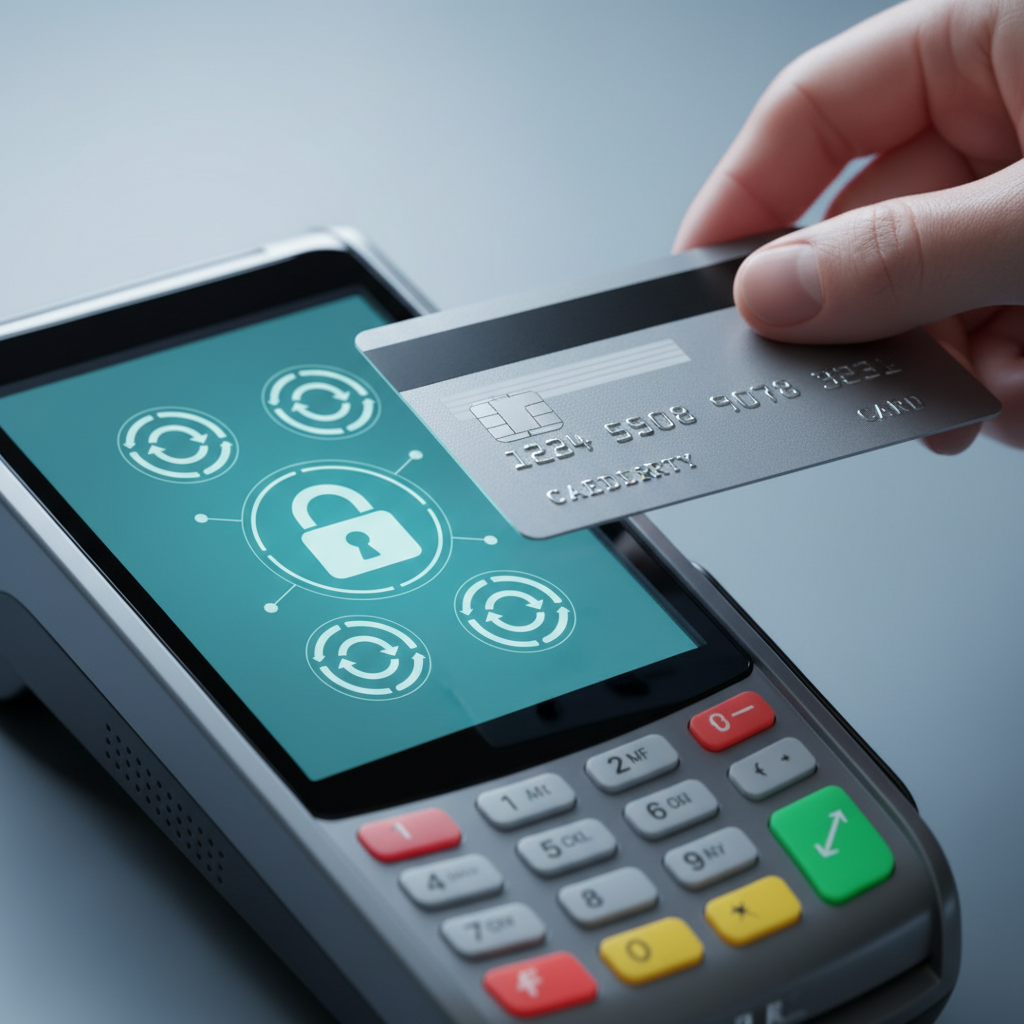
Credit card fraud is scary stuff—and it’s happening more often than you’d think. But here’s the good news: you can protect yourself if you know what to watch for and how fraudsters actually operate. We’re going to break down the warning signs that should make you sit up and pay attention, plus give you real strategies that actually work. Because let’s face it, dealing with fraud after it happens is a nightmare you want to avoid. The digital world makes transactions easier, but it also opens new doors for criminals. Knowing these signs early? That could save you weeks of stress and potentially thousands of dollars.
Identifying Signs and Common Methods of Credit Card Fraud
Spotting credit card fraud early is your best defense against financial disaster. Here’s what should immediately grab your attention: weird charges on your statement that you definitely didn’t make, or bills showing up for stuff you never bought. Getting alerts from your bank about suspicious activity? That’s them telling you something’s not right. You need to stay on top of your accounts—seriously, make it a habit. And if you do spot unauthorized transactions, you’ll want to know how to dispute credit card charges so you can act fast and get your money back.
Now, let’s talk about how these criminals actually get your information. Fraudsters are getting creative, and their tactics keep changing. Phishing scams are huge right now—basically, someone pretends to be your bank or a company you trust, then tricks you into handing over your personal details. Then there are skimming devices. These sneaky little gadgets get attached to ATMs or card readers at stores, and they steal your info while you’re just trying to make a normal purchase. And don’t even get me started on data breaches. When big retailers or service companies get hacked, your card details could end up for sale on the dark web. Understanding how these scams work helps you stay one step ahead.
Key Aspects of Identifying Credit Card Fraud
Stay alert to these crucial warning signs and fraud tactics:
- Unfamiliar Transactions: Check your statements regularly—and I mean really look at them. Fraudsters sometimes start with tiny charges (we’re talking a few dollars) just to test if your card works before they go big.
- Suspicious Billing Notices: Getting billed for something you never bought? Red flag. Time to investigate immediately.
- Bank Alerts and Notifications: Set these up if you haven’t already. Your bank can text or email you when transactions happen, giving you real-time updates when something fishy occurs.
- Common Fraud Techniques: Learn to spot phishing attempts—they’re getting really sophisticated. Never click links in unexpected emails asking for account info. When you’re using ATMs or card readers, take a quick look for anything that seems loose or out of place. And keep tabs on news about data breaches, especially if you shop with those companies.
Getting familiar with these signs and methods means you can catch problems quickly and take action before things get worse. Knowledge really is power here. Now let’s dive into what you can actually do to protect yourself before fraud happens.
Proactive Protection Strategies Against Credit Card Fraud
The best way to handle credit card fraud? Don’t become a victim in the first place. This means developing smart habits: shopping safely online, keeping a close eye on your accounts, and using secure payment methods whenever possible. Think of it as building a fortress around your financial information. We’ll cover techniques that security experts actually recommend, not just the basic stuff everyone already knows. You might also want to check out how to avoid credit card scams for even more protection strategies.
Here’s something most people don’t do enough: actually monitoring their accounts. I’m talking about really looking at your credit card statements, not just glancing at the total. Set up alerts for purchases over a certain amount—maybe $50 or $100, whatever makes sense for your spending. And check your credit report a few times a year. It sounds like a lot, but once you get into the routine, it becomes second nature. When you’re shopping online, stick to secure websites (look for that little lock icon and “https” in the address). Never—and I mean never—use public Wi-Fi for anything involving your credit card. That’s like leaving your front door wide open.
Key Aspects of Protection Strategies
Put these practical steps into action to seriously reduce your fraud risk:
- Safe Online Shopping Habits: Only shop on websites with proper security (HTTPS encryption). Public Wi-Fi and financial transactions don’t mix—hackers love that stuff. Use different passwords for each account, and make them strong. I know it’s annoying, but password managers make this so much easier.
- Active Account Monitoring: Review your statements like your financial life depends on it (because it kind of does). Set up transaction alerts so you know immediately when money moves. Check your credit report regularly—you can do this for free, and it’s worth the time.
- Secure Payment Methods: Virtual credit card numbers are amazing when you can get them—they hide your real card details during online purchases. Mobile payment apps like Apple Pay or Google Pay use tokenization, which is a fancy way of saying your actual card number never gets shared with stores. And always be suspicious of unexpected payment requests, no matter how official they look.
- Prompt Response If Compromised: Know exactly what to do if fraud hits. Call your credit card company immediately, cancel or freeze affected cards, and file reports with credit bureaus if needed. The faster you move, the less damage fraudsters can do.

We’ve covered a lot of ground here, and honestly? Credit card fraud protection doesn’t have to feel overwhelming. Think of recognizing fraud signs as your early warning system—those unfamiliar transactions, weird billing notices, and bank alerts are all red flags waving at you. Pay attention to them. When you understand how fraudsters actually operate (phishing emails that look real, those sneaky card skimmers, massive data breaches), you’re already ten steps ahead. Knowledge really is power here.
But knowing what to watch for is just the beginning. Real protection comes from building smart habits that become second nature. Shopping online safely means looking for that little lock icon and avoiding coffee shop Wi-Fi for purchases. (Trust me, your latte can wait.) Set up those real-time alerts—yes, they might ping your phone constantly at first, but you’ll thank yourself later. And here’s a pro tip: virtual credit card numbers and mobile payment apps are like having a bodyguard for your real card info. They create a buffer between you and the bad guys.
Here’s what’s interesting—when you actually follow these steps, something shifts. You stop worrying about every online purchase or ATM visit. Instead of feeling vulnerable, you feel prepared. That peace of mind? It’s worth every minute you spend setting up these protections. The digital world doesn’t have to be scary when you know how to navigate it safely.
Ready to take action? Start with the practical stuff. Learn the exact process for how to dispute credit card charges—because knowing what to do when (not if) something happens saves you stress and money. Then, get smart about costs with our guide on how to avoid credit card interest charges. Your wallet will thank you. While you’re building better habits, check out our advice on how to use a credit card responsibly—it’s all connected, really. And don’t forget the bigger picture: improving your overall financial health with proven tips for increasing your credit score makes everything else easier.
Look, you now have everything you need to protect yourself. No more crossing your fingers every time you swipe your card or shop online. Stay alert (but not paranoid), act quickly when something seems off, and don’t hesitate to call your bank if anything feels wrong. They’re there to help, and most fraud protection policies are pretty solid these days. Your money, your rules—and now you know exactly how to keep it safe. Time to put this knowledge to work and enjoy that confidence that comes with being prepared.
Frequently Asked Questions
-
How can I tell if my credit card has been stolen?
- Look for unfamiliar charges, alerts from your bank, or declined transactions. Regularly reviewing your credit card statements is the best way to spot any unauthorized activity early.
-
What should I do if I suspect credit card fraud?
- Immediately contact your credit card issuer to report the fraud. Follow their guidance to freeze or cancel your card and dispute unauthorized charges to limit damage.
-
Are virtual credit card numbers safe to use?
- Yes, virtual credit card numbers provide an extra layer of security by masking your real card details during online purchases, reducing the risk of information theft.
-
Can I recover money lost to credit card fraud?
- Often, yes. Many credit card issuers offer fraud protection policies that reimburse unauthorized charges. Prompt reporting increases the chances of recovery.
-
How often should I check my credit card statements?
- Ideally, review your statements monthly. Regular monitoring helps you detect suspicious activity quickly and take immediate action if needed.